Collection
Spring x SHIPS
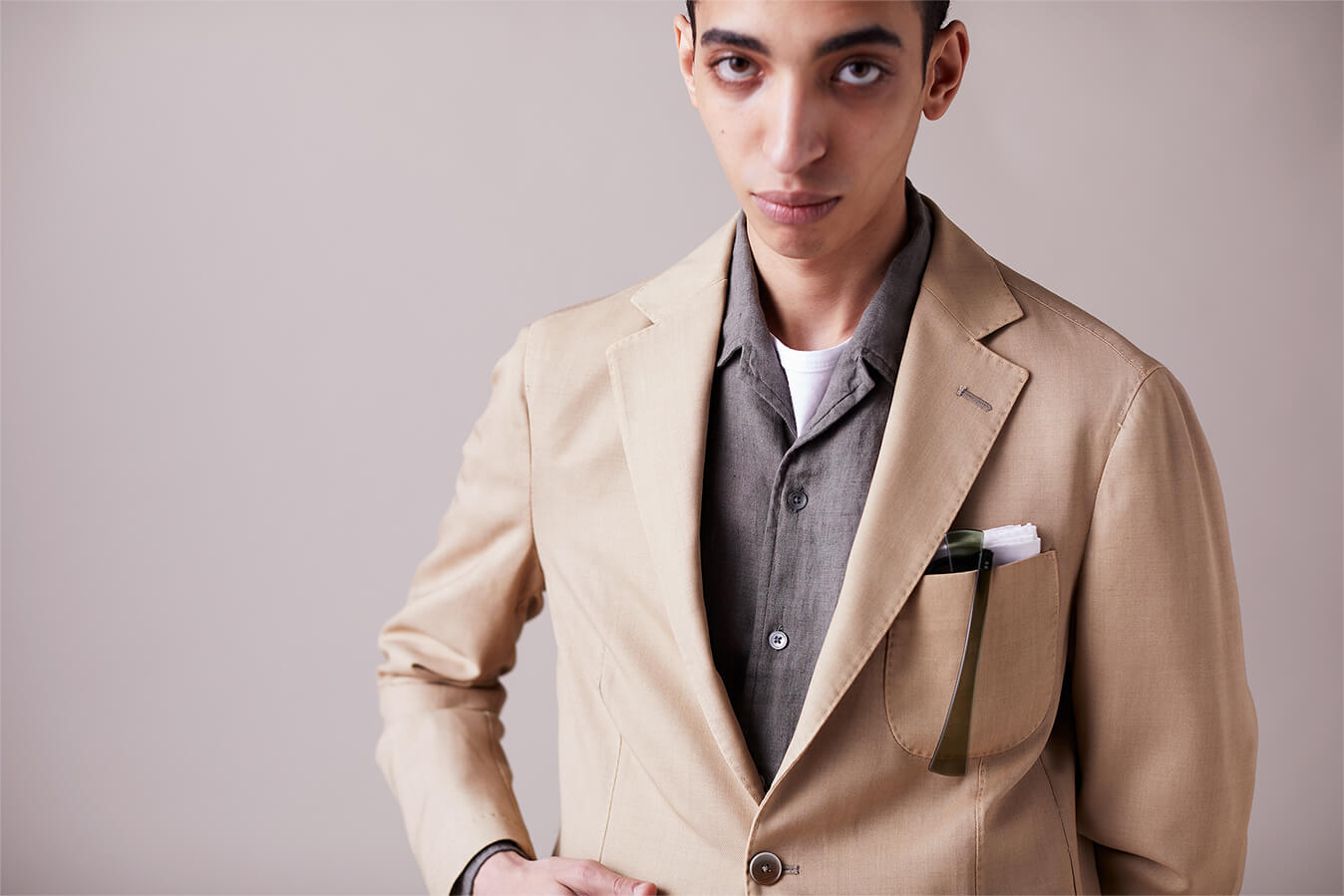
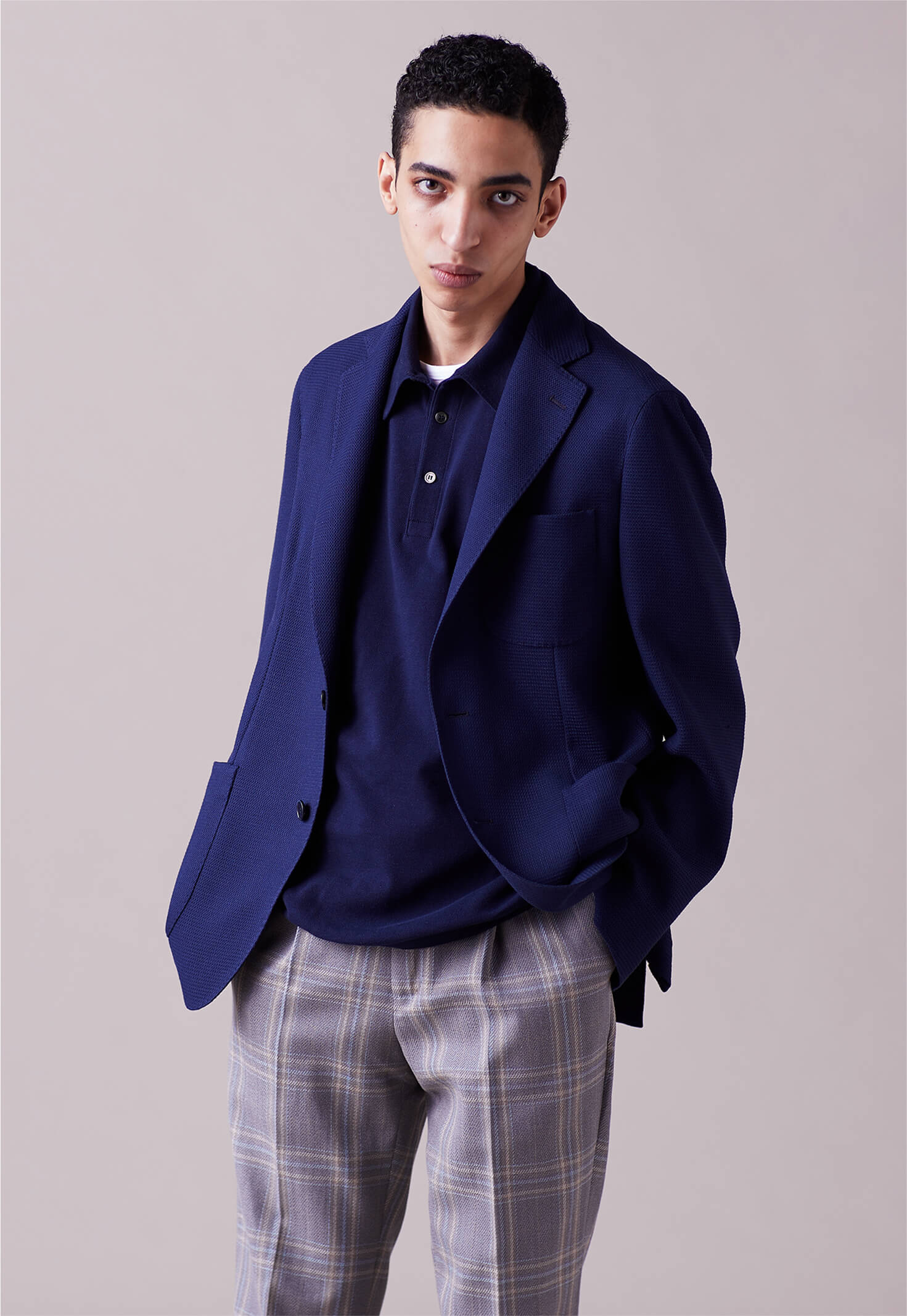
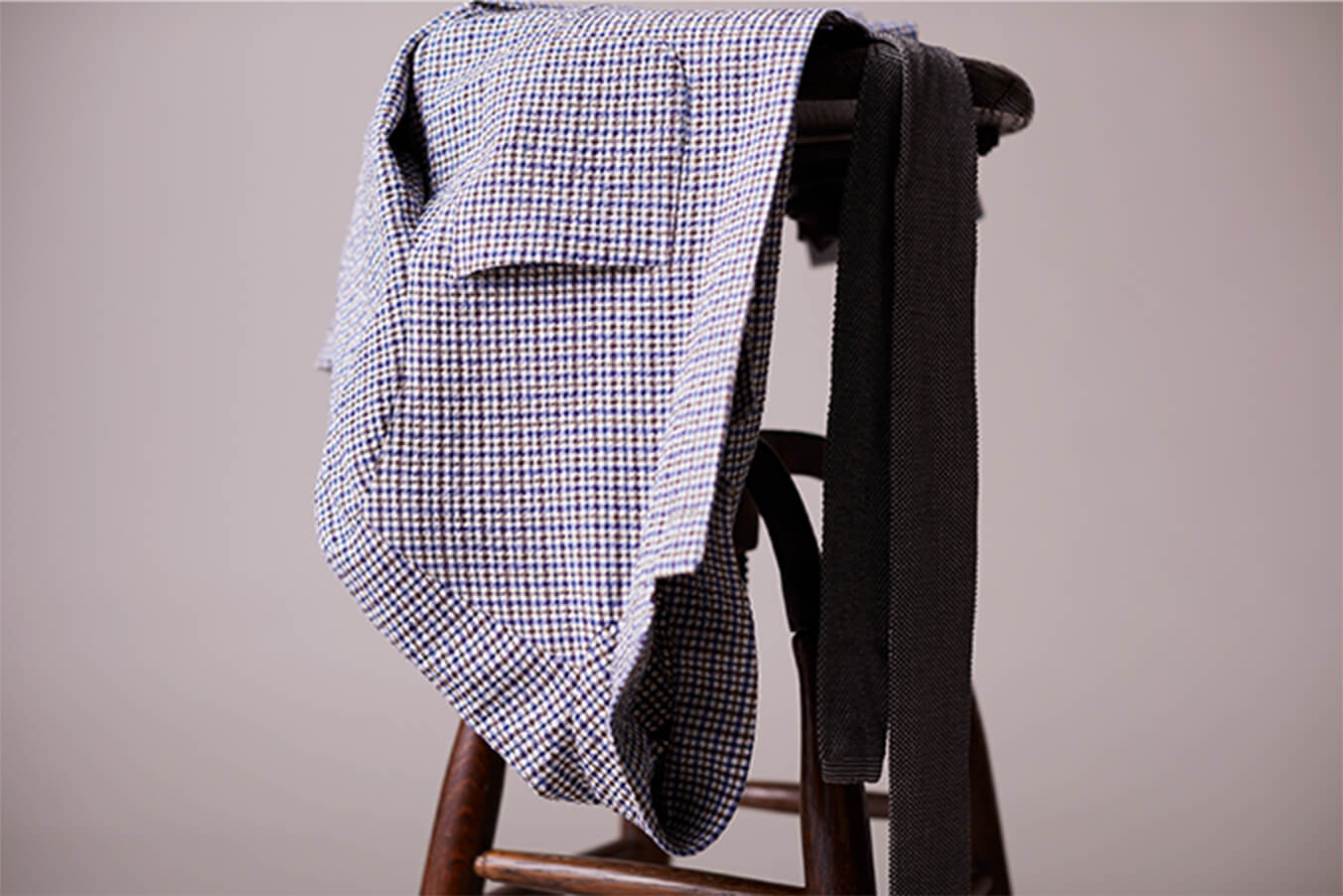
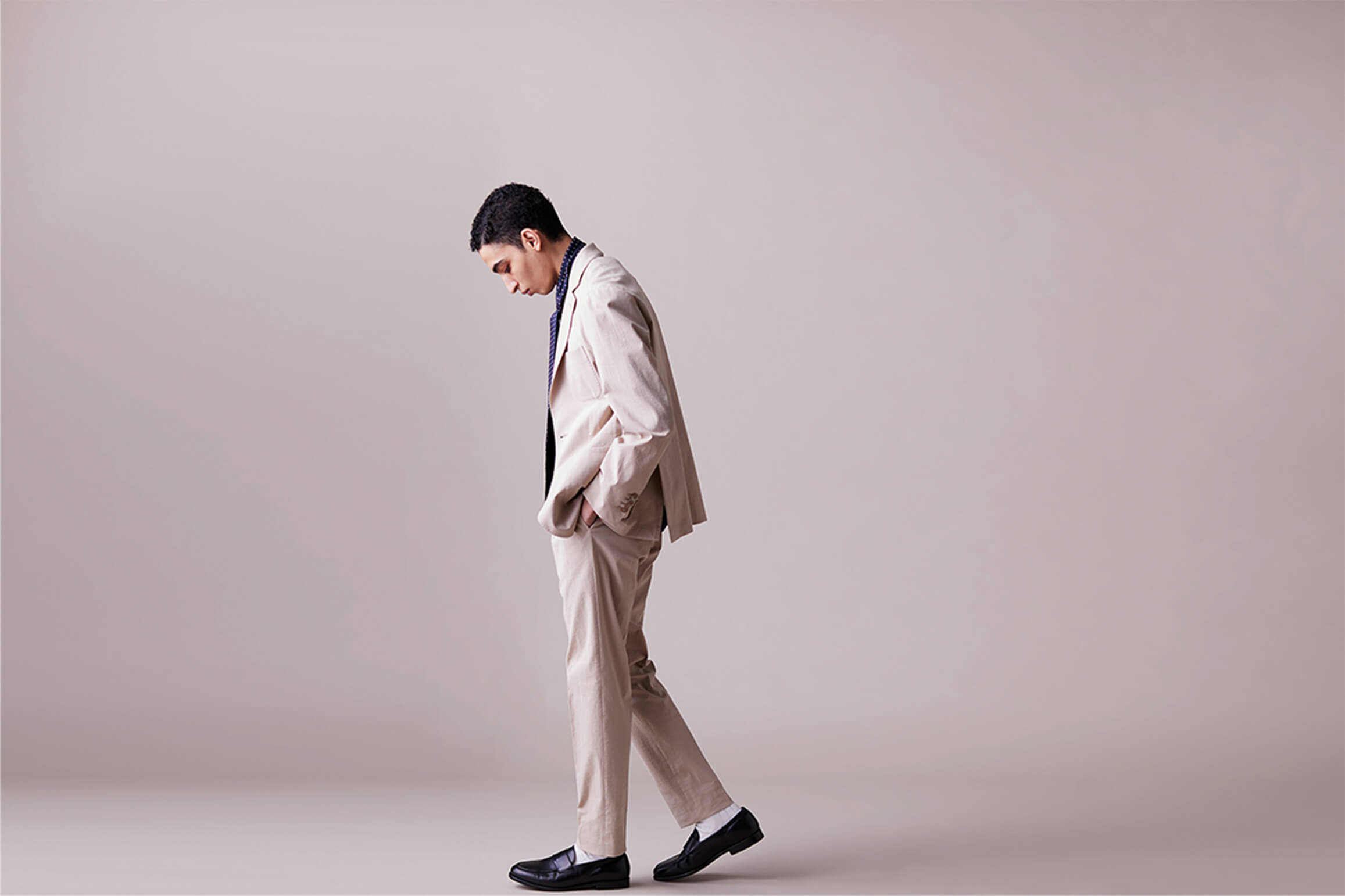
An exploration of natural textures and refined forms



Paris
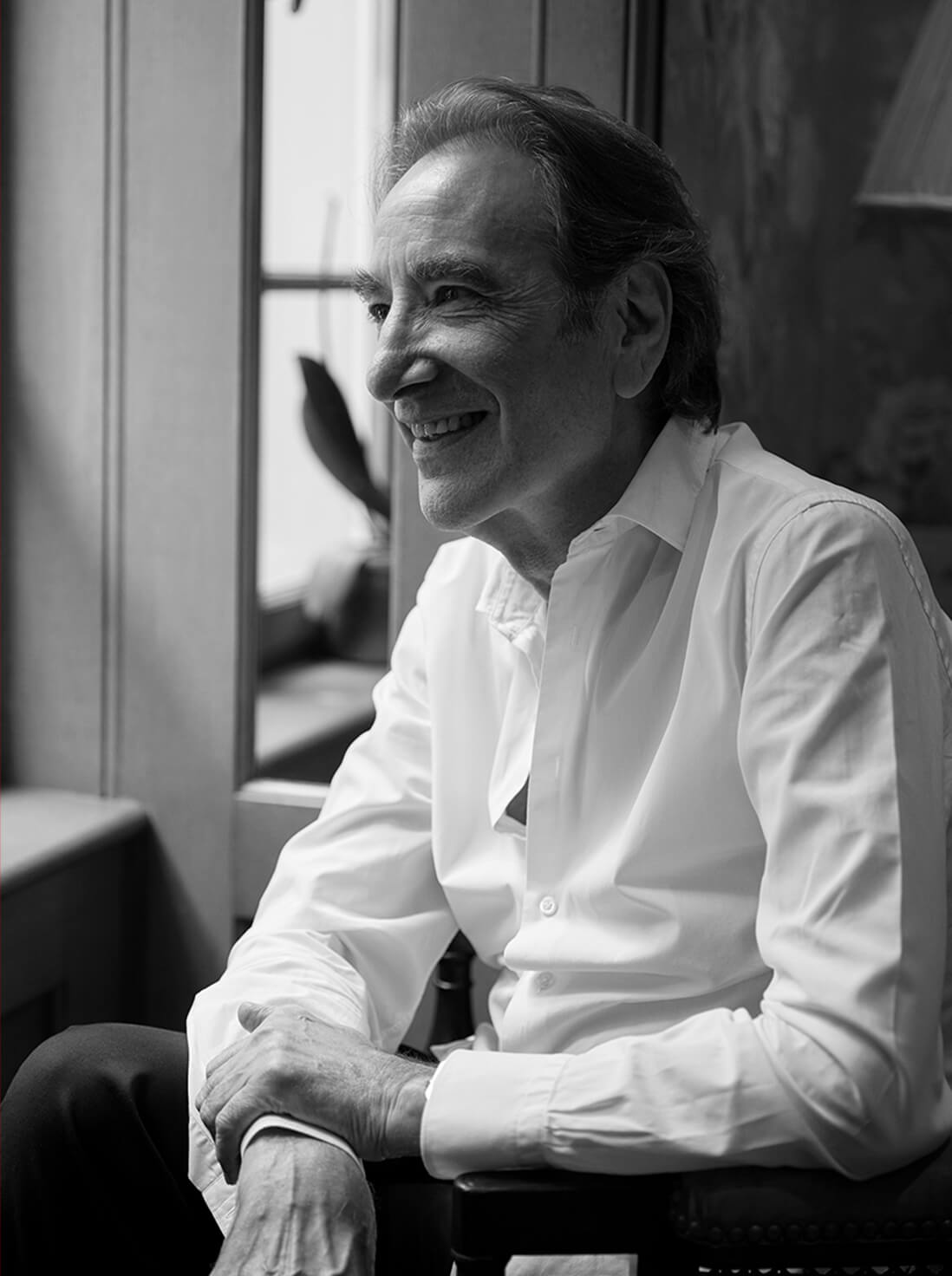
"The only fashion that interests me is the one that doesn't go out of style."
Marcel Lassance is a fashion designer whose work characterized by a minimalist approach and particular attention to detail. His creative universe explores the intersection between contemporary fashion and traditional craftsmanship, creating timeless pieces that transcend fleeting trends. Each creation is the result of deep reflection on form, function and aesthetics, giving birth to garments that celebrate the beauty of simplicity.
He approaches the traditional suit with a thoughtful reconsideration of structure, gently deconstructing jackets to prioritize comfort and natural movement. By removing heavy linings and excessive padding, the garments embrace the body's natural form while maintaining meticulous interior craftsmanship. The result is a jacket that feels as comfortable as a sweater yet retains its refined silhouette.
His commitment to natural materials reflects a deep appreciation for both quality and sustainability. Working exclusively with noble fibers such as wool, cotton, and linen, he seeks fabrics that offer inherent comfort and authenticity. Through careful post-production washing, each piece develops a lived-in softness that embodies his signature understated elegance.
He thoughtfully explores a broader spectrum of colors in menswear, challenging conventional boundaries with quiet confidence. His palette includes nuanced bronze-green blazers, subtle purple knitwear, and even a cherry-toned duffle coat, demonstrating that masculinity can be expressed through a richer range of hues than tradition might suggest.
Marcel begins his career as a fabric designer in the creative heart of Saint-Germain-des-Prés, learning the fundamentals of textile artistry and developing his eye for natural materials and quality craftsmanship.
The opening of his first boutique in Paris marks a humble beginning that gradually attracts attention from the entertainment industry. Word spreads quietly about his unique approach to menswear, drawing discerning clients who appreciate understated elegance.
Expanding to a larger space in Saint-Germain-des-Prés allows Marcel to fully express his design philosophy. The new store becomes a quiet destination for those seeking thoughtfully constructed garments that prioritize comfort and timeless style over fleeting trends.
Marcel presents his work at Club des Créateurs, sharing his vision of deconstructed tailoring with the fashion community. The presentation reflects his belief that true luxury lies in comfort and natural movement rather than rigid structure.
An exhibition at Designers Collective in New York introduces Marcel's philosophy to American audiences. This leads to partnerships with respected retailers including Macy's, Saks, Barneys, and Neiman Marcus, who recognize the authenticity of his approach to modern menswear.
Publicist Jacques Séguéla invites Marcel to design for François Mitterrand's presidential campaign, seeking to embody "La Force Tranquille" (The Quiet Strength). This collaboration demonstrates how thoughtful clothing can communicate strength through subtlety rather than ostentation.
Marcel begins collaborating with distinguished film directors including Bob Swaim, Claude Miller, Claude Zidi, Claude Chabrol, Claude Lelouch, and Costa-Gavras, among others. His costume work explores how clothing can support storytelling while maintaining the integrity of his design philosophy.
The first licensing agreements in Japan mark an important milestone. Marcel finds that his emphasis on natural materials and comfortable construction resonates deeply with Japanese consumers who share an appreciation for quality and craftsmanship.
A unique collaboration with Swedish manufacturer Saab results in an exclusive Saab 900 Turbo 16S convertible, showcased at the 1987 Geneva Motor Show. This project explores how design principles can transcend fashion to influence other creative industries.
The opening of a Marcel Lassance store in Tokyo in collaboration with SHIPS strengthens his connection with Japanese culture and craftsmanship traditions. This expansion allows him to deepen his understanding of different approaches to quality and attention to detail.
Marcel focuses on the steady development of his line across France and Japan, opening more stores (Daikanyama, Ginza, Osaka, Nagoya) and refining his approach to comfortable luxury and sustainable practices. This period allows for thoughtful growth and the cultivation of long-term relationships with artisans and clients alike.
At the invitation of Marie-France and Bernard Cohen, Marcel takes the role of art director for the men's line at MERCI. This collaboration allows him to share his perspective on timeless design with a new generation of conscious creators (RDV au Globe, Industry of All Nations, etc.) and consumers.
Marcel begins a meaningful collaboration with Déborah Sitbon Neuberg, owner and designer of De Bonne Facture, sharing his experience in craftsmanship and design philosophy. This partnership represents a continuation of his commitment to supporting thoughtful approaches to fashion and business. Marcel Lassance continues to develop his line for SHIPS with as much passion as ever.